01
The device in 3D
Show the device on the stage and turn it as the questions come. Hand the controls to the clinician when they want a closer look.
Demo units are scarce, costly to ship and booked out for weeks. Walk surgeons, clinic owners and procurement through the device in 3D on a live call, with your approved IFU, clinical data and brochures one click away. Afterwards the hospital keeps the page to share with the whole buying committee.
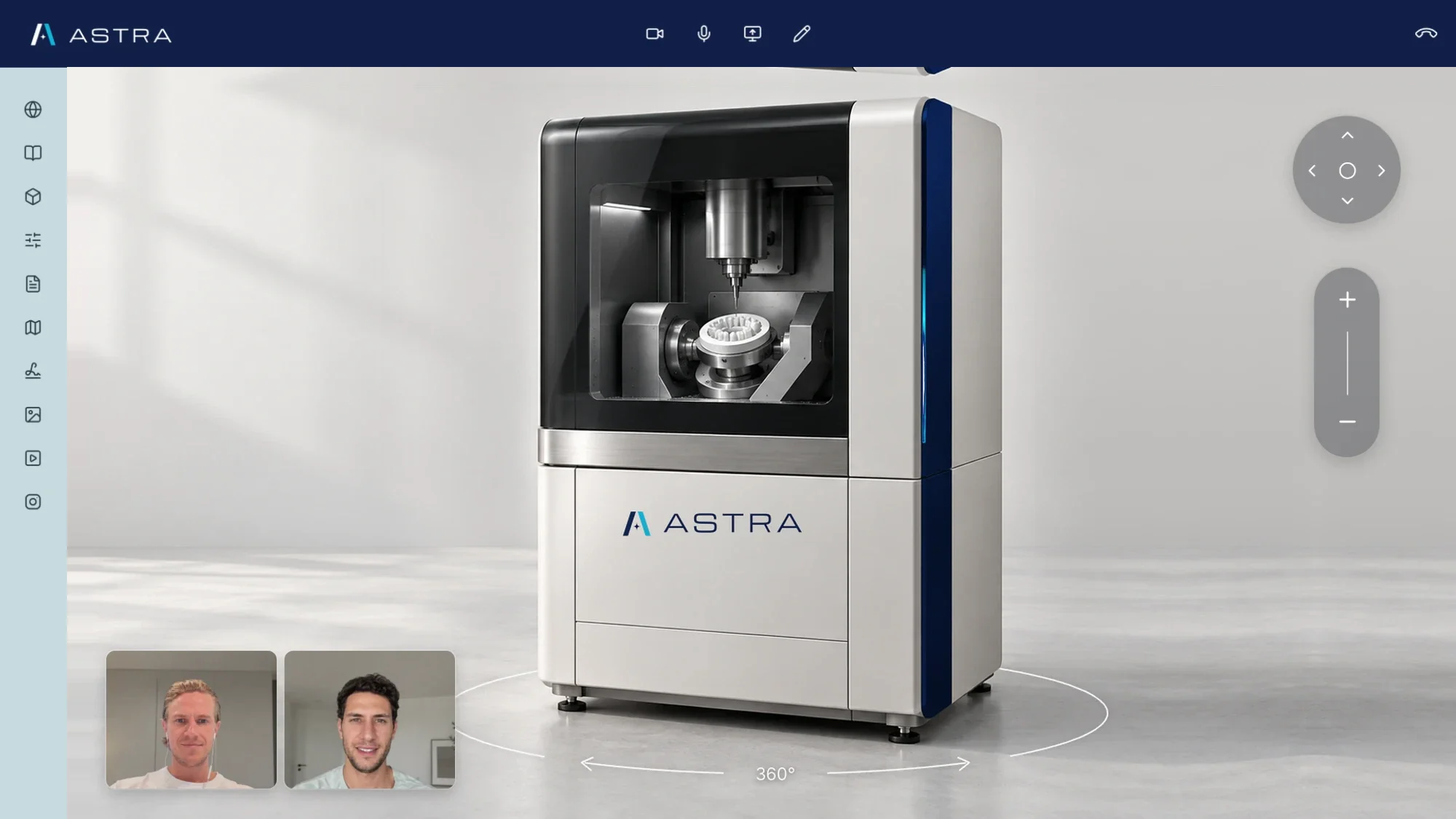
Show the device on the stage and turn it as the questions come. Hand the controls to the clinician when they want a closer look.
Keep the current brochure, the clinical papers and the instructions in the showroom, so every rep shows the same version.
Play a video for everyone at once from the stage, without sharing your screen.
When the clinic is ready, put the order form on the stage, place the signature box and collect the signature there.
Send the room afterwards, so the owner, the practitioners and whoever signs all see what you showed.
The call is transcribed as part of the room. You get the summary, the open questions and the next steps.
Usually not, and it does not need to. It answers the first questions, so the demo unit goes to the clinics that are ready for it.
No. Dysplay shows the material you put in the showroom. What that material may say about a device stays with you and your regulatory team.
No. The call is transcribed for the notes, and Dysplay does not keep audio or video.
No. Photographs, videos and PDFs go on the same stage. A model in GLB format adds the view a clinician can turn for themselves.
No. They open one link in a browser, on a laptop or a phone, with no download and no account.
A host and up to seven guests.